
Our Services
Our team provide a wide range of supports with services that work together to support communication, emotional wellbeing, independence and engagement in everyday life. Whether you're looking for help for your child, teen or yourself, we'd be happy to chat.
Occupational Therapy
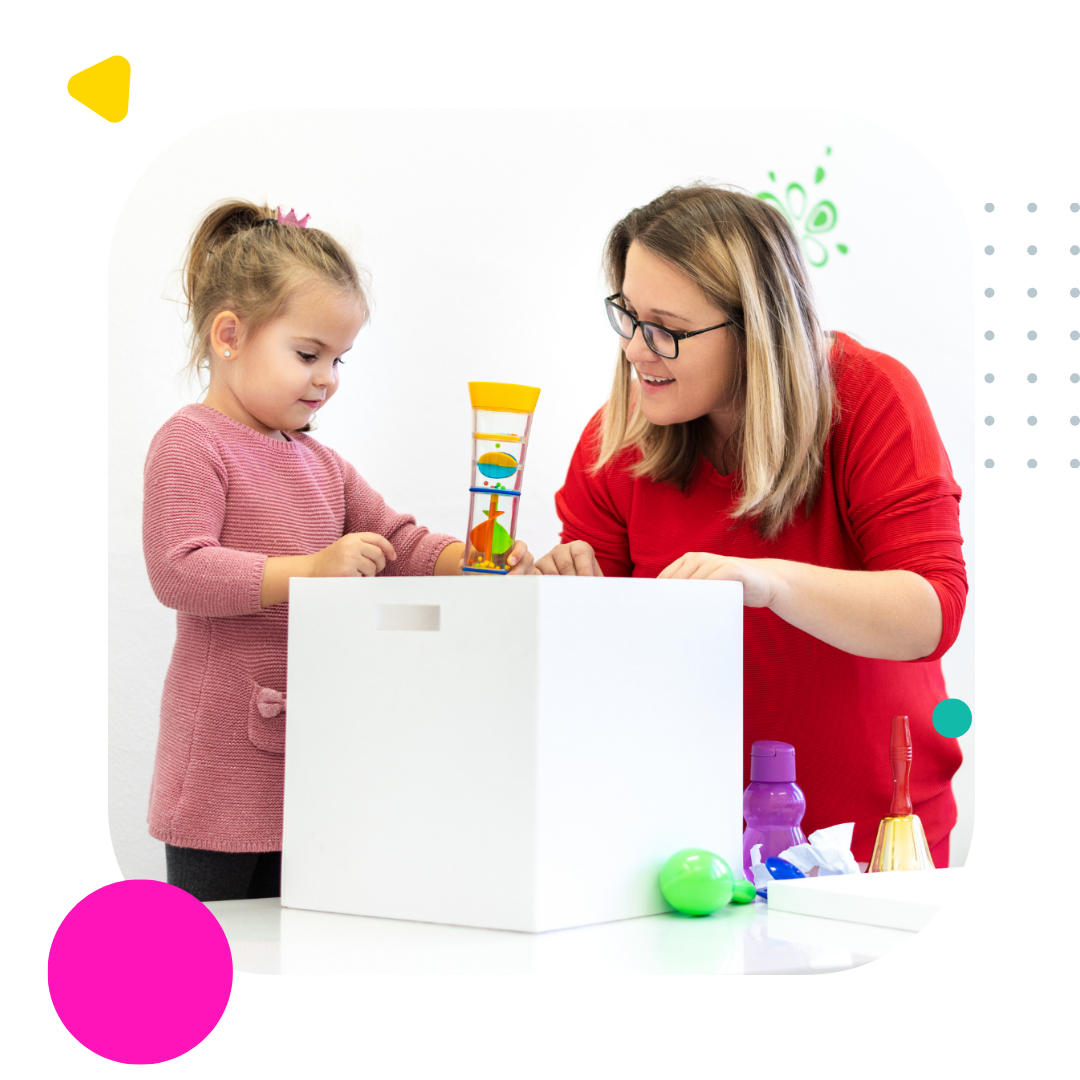
Occupational therapy supports people in building the skills they need to manage everyday activities and feel more comfortable in their daily environments. This can include things like sensory regulation, self-care skills, handwriting, organisation, motor skills, independence and managing school and work demands.
For kids, occupational therapy (OT) often focuses on helping them participate more comfortably in learning, play and daily routines. For teens and adults, it may involve building independence, managing sensory needs or developing practical life skills that make everyday a little easier.
Behaviour Support
Behaviour support services are a specialist funding line in your NDIS plan. They focus on understanding why behaviours are happening and helping families find safer, more effective ways to meet those needs. Sometimes behaviours are a way of communicating frustration, sensory overload, anxiety or unmet needs.
Our behaviour support practitioners work with kids, teens and adults, as well as the people around them, to understand what's driving the behaviour and create practical strategies that work in real life. This might include support at home, school or the community, and developing clear behaviour support plans that help everyone respond consistently and safely.

Psychology
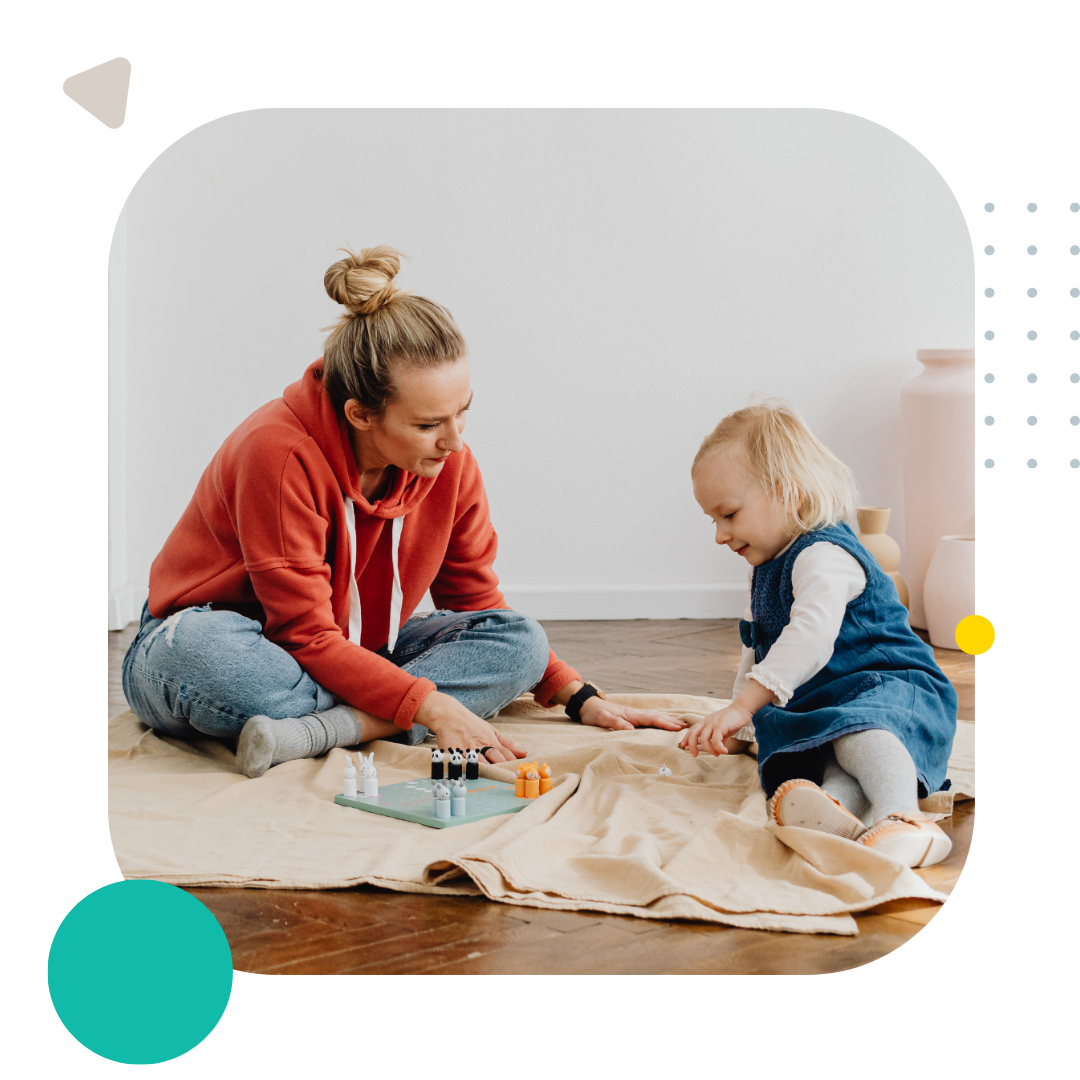
Our psychologists can help individuals, and their families, who may be feeling overwhelmed, anxious, stuck or unsure how to manage big emotions or life challenges. Sessions can focus on things like emotional regulation, confidence, friendships, school stress, burnout, work challenges, anxiety or simply navigating everyday life as a neurodivergent person. The aim is building understanding, resilience and practical tools that work beyond the clinic.
For younger children, we support through play and often work closely with parents so strategies can be used at home as well. The goal isn't to change who someone is, but to help them better understand themselves and build tools that make life feel more manageable.
Speech Pathology
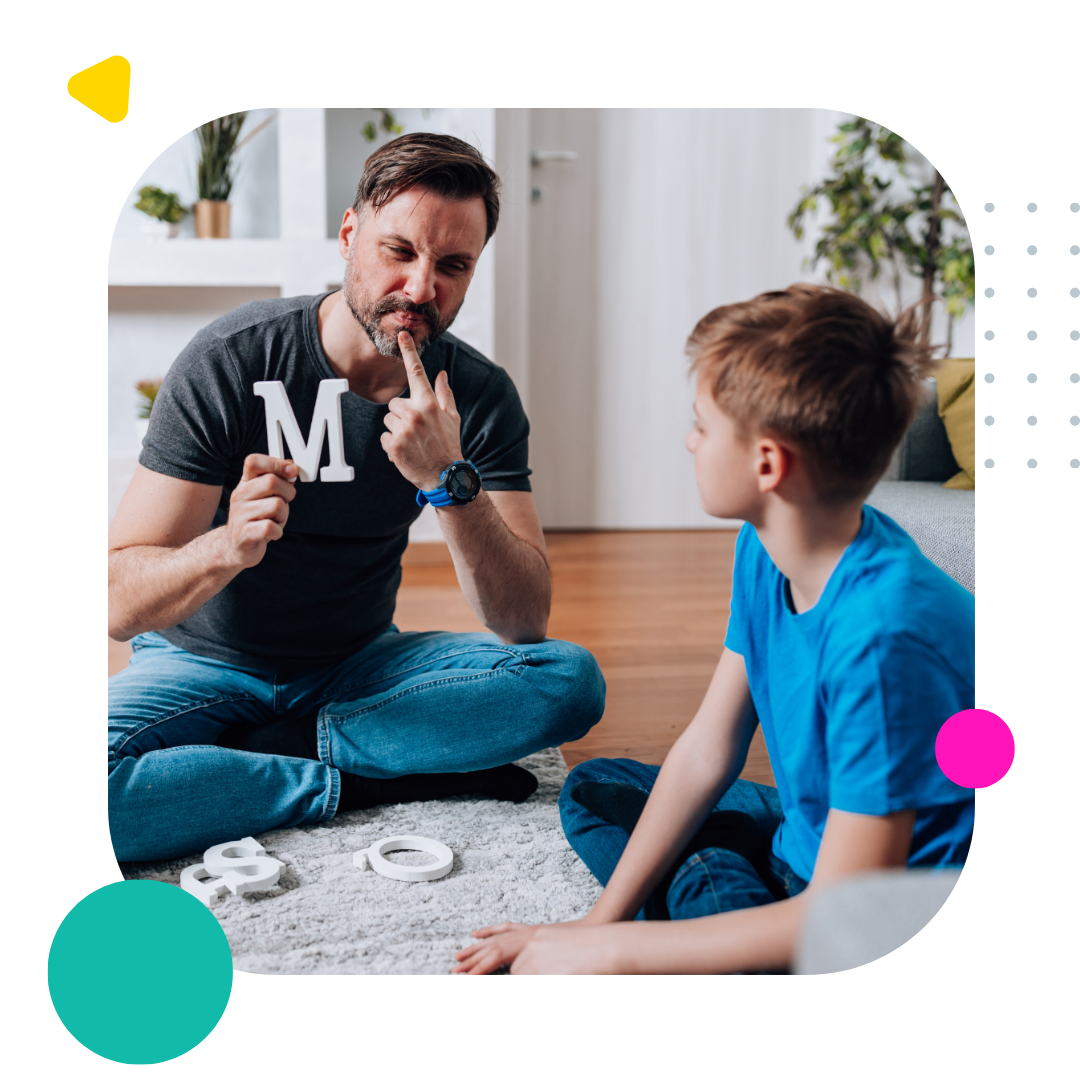
Speech pathology supports communication in all its forms. This may include speech sounds, language development, understanding and using language, social communication and alternative ways of communicating.
Some children need help understanding language or being understood by others, while teens and adults may seek support with conversational skills, expressing ideas clearly or navigating social situations. Our speech pathologists work closely with families to build communication skills in ways that feel natural and meaningful in everyday life.
Download Hourly Rates
For indicative prices for your services, don't hesitate to reach out to our team to discuss. For hourly rates for each service, you can download the pricing schedule below.
Want to Join Our Mailing List?
Practical tips, helpful resources, changes that impact families all direct to your inbox. You'll also be the first to hear about new services or when clinicians have new availabilities.
